
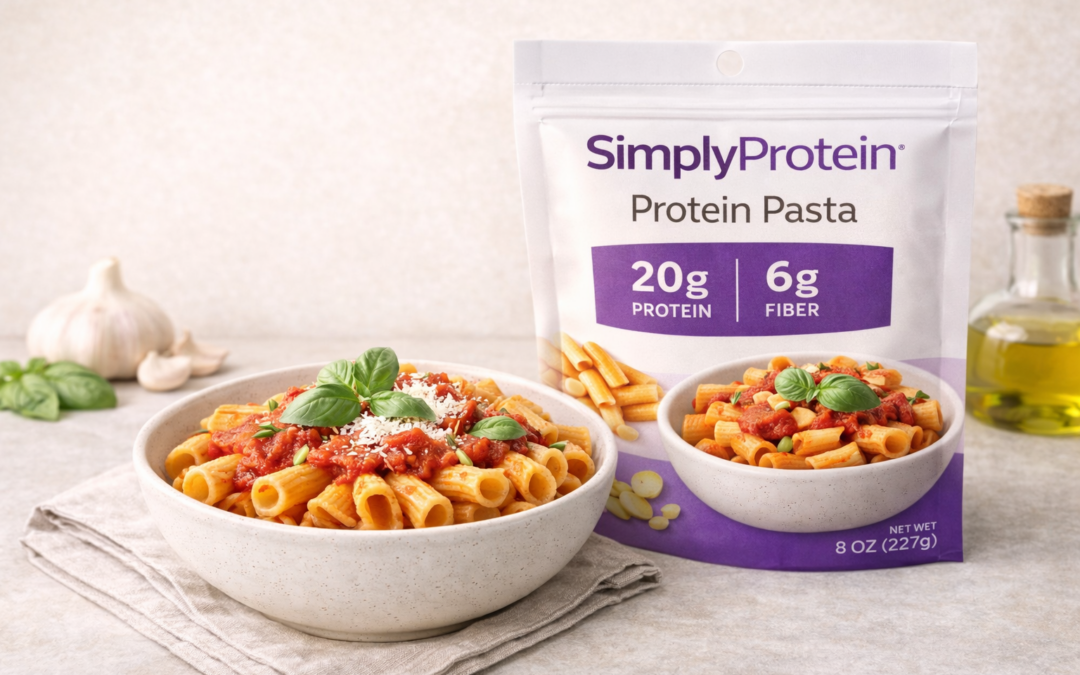
- Is Protein Pasta Good for Weight Loss? The High-Protein Pasta Guide by SimplyProtein
- What Is High-Protein Pasta? A Quick Overview
- Is Protein Pasta Good for Weight Loss? The Science Explained
- SimplyProtein Protein Pasta: Nutrition Facts and Benefits
- Protein Pasta vs. Whole-Wheat Pasta vs. Regular Pasta: Which Is Best?
- How Much Protein Is in SimplyProtein Protein Pasta? Understanding Your Source of Protein
- The Right Pasta Sauce Makes All the Difference
- The Net Carbs of Regular Pasta vs. Protein Pasta: Is It Low Carb?
- Help With Weight Loss: 5 Ways to Use SimplyProtein Protein Pasta
- Chickpea Pasta as a Source of Plant-Based Protein: What SimplyProtein Offers
- Benefits of Protein Pasta: Summary of Why It Works for Weight Management
- SimplyProtein: Your Partner for Healthy Weight Loss Through High-Protein Eating
- Conclusion
- Frequently Asked Questions
- Getting the Best Results: How to Cook and Enjoy Protein Pasta
- Comparing Many Protein Pastas: Why SimplyProtein Stands Out
Is Protein Pasta Good for Weight Loss? The High-Protein Pasta Guide by SimplyProtein
Let’s settle the debate once and for all: protein pasta is good for weight loss — and not just marginally. It’s one of the smartest, most satisfying swaps you can make when you’re trying to lose weight without surrendering your love of carbs. If you’ve been staring at a bowl of pasta on a Friday night feeling guilty, this guide is for you.
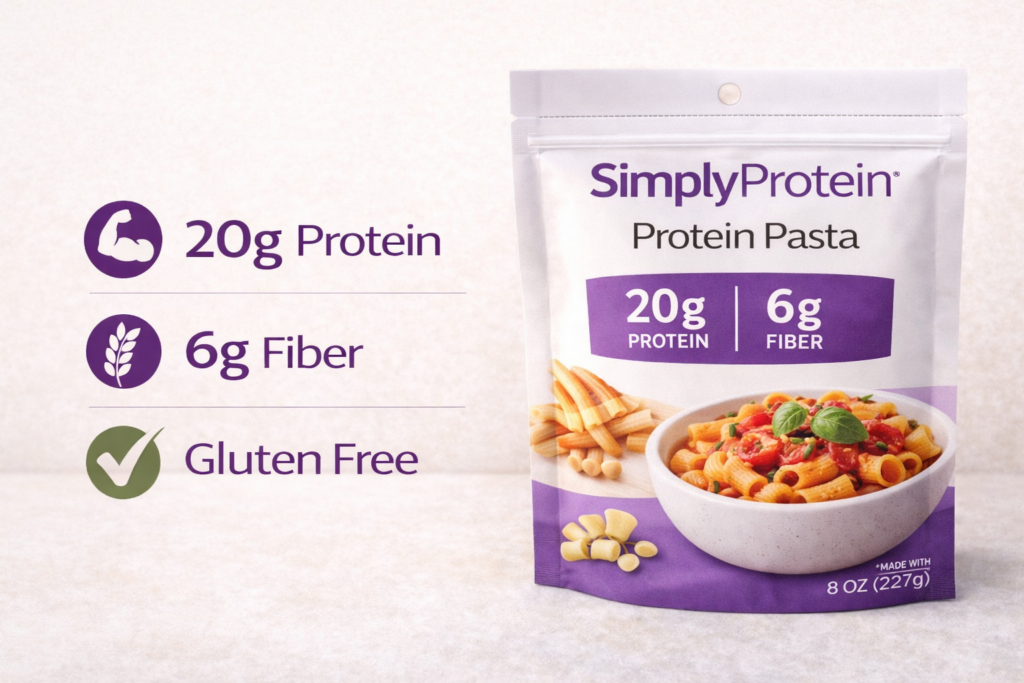
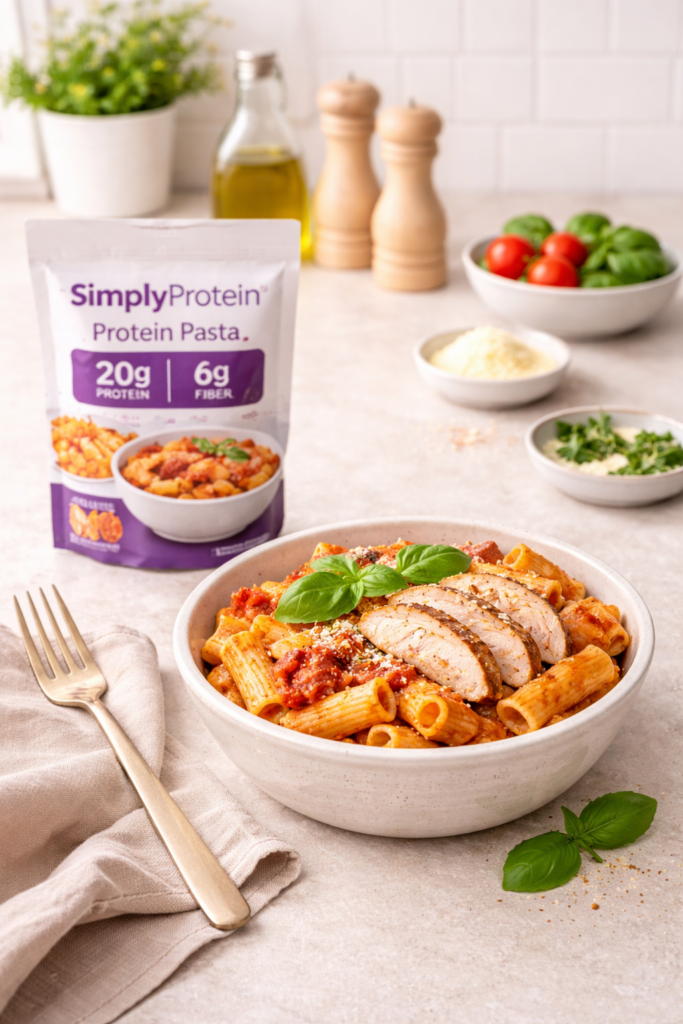
At SimplyProtein, we crafted our Protein Pasta using chickpea and lentil flour to deliver 20 grams of protein and 6 grams of fiber per serving — that’s more than double the protein of traditional pasta, and it’s naturally gluten-free. Sounds too good? Let’s walk through the science, the nutrition, and the real-world meal strategies that make this pasta a genuine weight loss ally.
What Is High-Protein Pasta? A Quick Overview
High-protein pasta is any pasta formulated to deliver significantly more protein per serving than conventional wheat pasta. While traditional pasta is typically made from semolina or refined wheat flour and offers around 7–8 grams of protein per serving, high-protein pasta varieties are built from protein-dense ingredients like legumes, soy protein isolates, or pea protein blends.
The most popular type of pasta in this category includes:
- Chickpea pasta — mild flavour, widely available, excellent starting point
- Lentil pasta — slightly earthy, high in both protein and fiber
- Edamame pasta — among the highest protein options available
- Black bean pasta — rich, dense, ideal with bold sauces
- Pea protein pasta — smooth texture, neutral taste
- Soy protein-enriched pasta — common in blended varieties
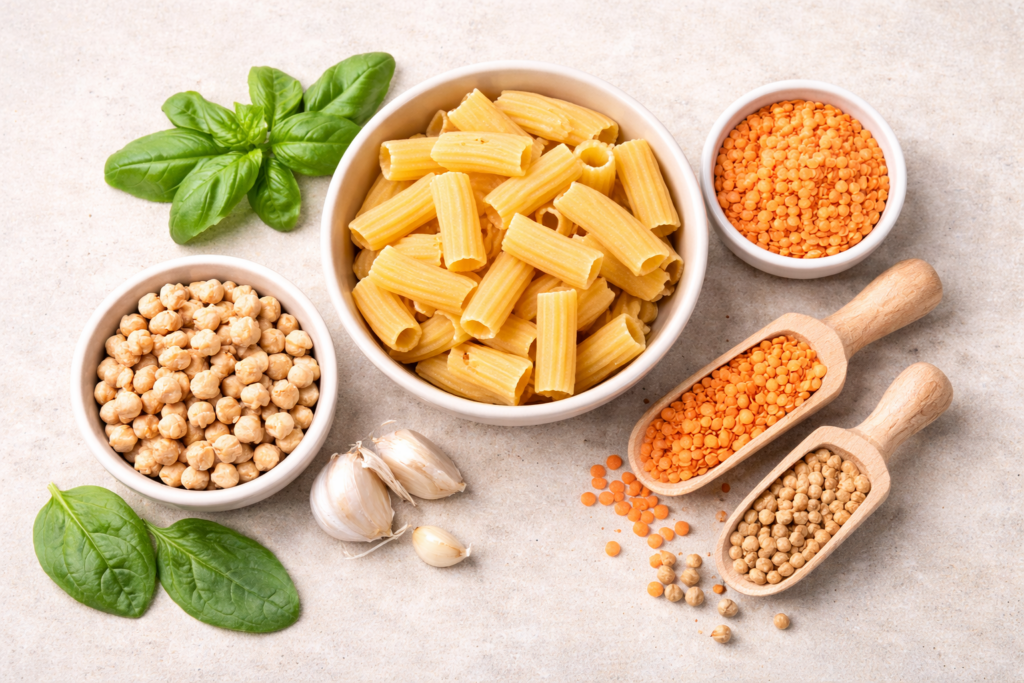
SimplyProtein’s Protein Pasta is crafted from a blend of chickpea and lentil flour — a combination that makes it naturally gluten free while maintaining a firm, satisfying texture. It’s pasta made better, with real ingredients and powerful nutrition in every serving.
Is Protein Pasta Good for Weight Loss? The Science Explained
Protein pasta is good for weight loss for several well-documented, evidence-based reasons. Understanding the science helps you use it strategically rather than hoping for the best.
Protein Helps Reduce Hunger and Supports Weight Loss Goals
Protein helps regulate hunger hormones more effectively than carbohydrates or fat. Eating a high-protein meal increases levels of satiety hormones like peptide YY and GLP-1, while suppressing ghrelin — the primary hunger hormone. The result? You stay fuller for longer, eat less at subsequent meals, and find it far easier to maintain a caloric deficit without suffering. Protein pasta helps your weight loss goals become achievable rather than miserable.
This is why protein pasta can help you manage your caloric intake without white-knuckling every meal. When your food actually satisfies you, adding protein through smart food choices becomes a sustainable habit rather than a chore.
Protein Can Help Boost Your Metabolism
The thermic effect of food (TEF) refers to the energy your body burns during digestion. Protein can help increase your metabolic rate because protein has a TEF of approximately 20–30%, compared to just 5–10% for carbohydrates. Eating a protein-rich meal burns more calories during digestion than eating an equivalent caloric load of carbs. Over days and weeks, this difference compounds.
By adding protein through SimplyProtein Protein Pasta, you shift the macronutrient composition of your meals in a way your metabolism directly benefits from. It’s one of the most straightforward source of protein upgrades you can make without changing your entire meal structure.
Meeting Your Protein Needs While Enjoying a Bowl of Pasta
During a caloric deficit, your body can break down lean muscle tissue for energy — which slows metabolism over time. Meeting your daily protein needs (typically 1.6–2.2g per kg of body weight for active individuals) is the most reliable way to protect muscle mass while shedding fat. Like protein pasta from SimplyProtein, foods that combine high protein with real flavour make hitting those targets genuinely enjoyable. Every bowl of pasta you make with SimplyProtein brings you meaningfully closer to your health goals — no willpower required.
SimplyProtein Protein Pasta: Nutrition Facts and Benefits
Here’s what sets SimplyProtein Protein Pasta apart. Protein pasta contains an impressive nutritional profile built entirely from real, recognisable food:
| Nutrient | SimplyProtein Protein Pasta (per serving) | Regular White Pasta (per serving) | Whole-Wheat Pasta (per serving) |
|---|---|---|---|
| Protein | 20g | 7–8g | 10g |
| Fiber | 6g | 2g | 6g |
| Carbs | ~40g | 63g | 57g |
| Gluten Free | ✅ Yes | ❌ No | ❌ No |
| Main Ingredient | Chickpea & Lentil Flour | Semolina | Whole Wheat |
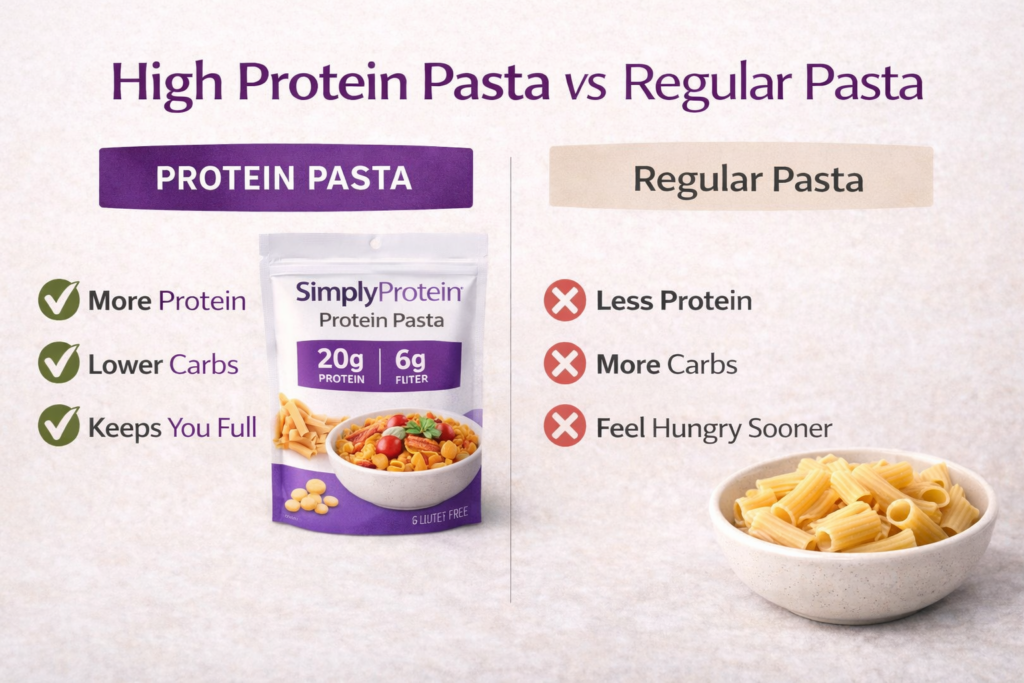
That’s more than double the protein compared to white pasta, and significantly more than whole wheat pasta too. The combined protein and fiber content creates a synergistic satiety effect — fiber slows digestion and stabilises blood sugar, while protein suppresses hunger hormones. This is why protein pasta may be the single most impactful food swap for people managing their weight.
Benefits of protein pasta from SimplyProtein specifically include:
- Muscle maintenance during a calorie deficit
- Sustained energy from slow-digesting legume carbohydrates
- Better satiety — 20g protein + 6g fiber keeps you genuinely full
- Balanced plant-based protein with a complete amino acid profile
- Blood sugar stability — lower glycaemic impact than refined pasta
- Naturally gluten-free — suitable for those with gluten sensitivities
Protein Pasta vs. Whole-Wheat Pasta vs. Regular Pasta: Which Is Best?
Not all pasta is created equal. Here’s how the most common pasta alternatives stack up for weight loss:
| Type | Calories | Protein (g) | Carbs (g) | Fiber (g) | Gluten-Free |
|---|---|---|---|---|---|
| Regular white pasta | 310 | 8 | 63 | 2 | ❌ |
| Whole-wheat pasta | 300 | 10 | 57 | 6 | ❌ |
| SimplyProtein Protein Pasta | ~300 | 20 | 40 | 6 | ✅ |
| Barilla Protein+ | 340 | 17 | 59 | 5 | ❌ |
| Banza (chickpea pasta) | 320 | 19 | 46 | 8 | ✅ |
Barilla Protein+ is widely available in supermarkets. Barilla protein pasta is wheat-based, however, making it unsuitable for those who are gluten-free. Banza is an excellent single-ingredient chickpea option with similar macros to SimplyProtein — though our chickpea-lentil blend offers a more complete nutritional profile. Whole-wheat pasta is a step up from regular pasta but still falls significantly short on protein. Whole wheat pasta also lacks the gluten-free certification that many consumers require today.
The verdict: protein pasta for weight loss wins on every important metric — more protein, more fiber, fewer carbs, and clean gluten-free ingredients. Protein pasta is good for weight loss in a way that other pasta varieties simply cannot match.
How Much Protein Is in SimplyProtein Protein Pasta? Understanding Your Source of Protein
One of the most common questions: how much protein does protein pasta actually deliver, and does it represent a meaningful source of protein for weight loss?
SimplyProtein Protein Pasta delivers 20 grams of protein per serving — approximately 25 grams of protein per 100g dry weight. To put that in perspective: a standard 100g cooked chicken breast contains about 31g of protein. SimplyProtein gets you roughly two-thirds of that from a pasta dish alone. Add a lean protein topping — chicken, tuna, cottage cheese — and your pasta dish can easily hit 40–50g of protein per meal. That’s a genuinely impressive contribution toward your daily protein needs.
Protein pasta is good for weight management because it makes hitting your daily protein targets significantly easier within a calorie-controlled diet. Protein pasta is one of the most efficient and enjoyable ways to increase protein intake without making dramatic changes to how you eat. Protein pasta is typically made from legumes precisely because they are the highest protein-per-gram flour option available — and SimplyProtein uses both chickpea and lentil flour for maximum nutritional impact.
The Right Pasta Sauce Makes All the Difference
Choosing the right pasta sauce is one of the most underrated parts of making protein pasta work for weight loss. A pasta sauce can make or break your calorie budget — and it’s where many people inadvertently undo the nutritional gains of switching to a high-protein pasta. Here’s how to choose wisely:
- Tomato-based sauces — naturally low in calories, rich in lycopene, and pair beautifully with the earthy flavour of chickpea-lentil pasta. Arrabbiata and marinara are excellent choices.
- Cottage cheese sauce — blend low-fat cottage cheese with garlic and fresh basil for a creamy, high-protein sauce that adds another 15–20g of protein to your meal. It sounds unusual, but it’s genuinely delicious.
- Pesto — use in moderation (1–2 tablespoons) as it’s calorie-dense but full of flavour. A small amount goes a long way with SimplyProtein Pasta’s hearty texture.
- Olive oil and garlic — a classic aglio e olio style preparation that’s simple, clean, and surprisingly satisfying.
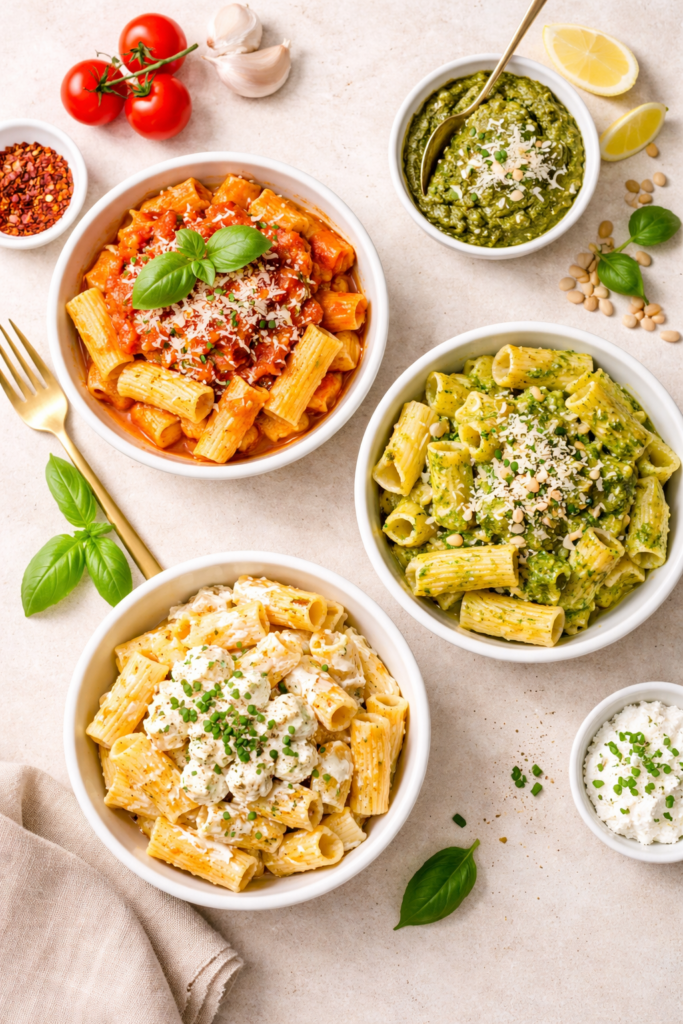
Avoid heavy cream sauces, alfredo, or oversized portions of full-fat cheese if weight loss is your goal. The pasta sauce you choose can double the calorie count of your meal — choose one that supports your goals rather than undermining them.
The Net Carbs of Regular Pasta vs. Protein Pasta: Is It Low Carb?
Let’s be honest about carbs. The net carbs of regular pasta sit at approximately 61g per 100g dry weight. SimplyProtein Protein Pasta contains approximately 38–40g of net carbs — a significant reduction, but not low-carb by strict ketogenic standards. For people following a keto diet, pasta alternatives like shirataki noodles or hearts of palm pasta are better suited.
However, for the vast majority of people pursuing general weight loss, the reduced carbs combined with dramatically higher protein content and fiber make SimplyProtein Protein Pasta the smartest choice among all available pasta varieties. Protein pasta may not be keto-friendly, but it absolutely is weight-loss-friendly — and that distinction matters for most people’s practical, real-world goals.
Help With Weight Loss: 5 Ways to Use SimplyProtein Protein Pasta
Here are five practical, evidence-based ways to use SimplyProtein Protein Pasta to help with weight loss — each one implementable starting today:
- Swap all your regular pasta 1:1. Replace regular or whole-wheat pasta with SimplyProtein Protein Pasta in every pasta recipe. Bolognese, arrabbiata, cold pasta salads — all work perfectly. This single swap effectively doubles your protein intake at dinner without requiring new recipes or extra time. Cook al dente (1–2 minutes less than regular pasta) to preserve firmness. Protein pasta used as a 1:1 replacement is the easiest way to upgrade the nutrition of meals you already make and love.
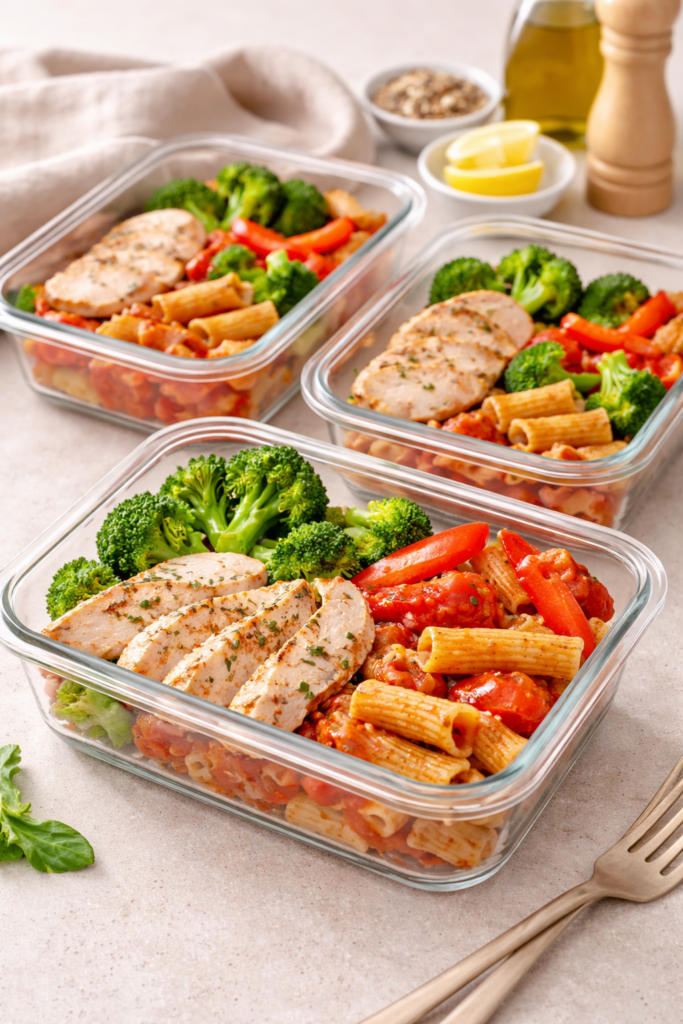
- Build high-protein meal prep bowls. Cook a large batch of SimplyProtein Protein Pasta on Sunday. Portion into containers and pair with different proteins each day — grilled chicken, tuna, roasted chickpeas, or cottage cheese. A high-protein pasta meal prep strategy eliminates the mid-week decision fatigue that so often leads to less nutritious choices. It’s the most reliable, practical way to stay on track with your weight loss goals when life gets busy.
- Choose a smart pasta sauce. As discussed above, your pasta sauce choice matters enormously. Opt for tomato-based sauces, light pesto, or a high-protein cottage cheese sauce. This keeps the calorie count of your pasta dish controlled while amplifying flavour. Help with weight loss comes not just from the pasta itself but from building smart, nutritionally coherent meals around it.
- Add vegetables to every bowl of pasta. Bulk up your bowl of pasta with non-starchy vegetables: spinach, zucchini, cherry tomatoes, broccoli, roasted peppers, or mushrooms. These add volume, fiber, and micronutrients with minimal calories. A properly built bowl of pasta with SimplyProtein can comfortably come in under 500 calories while still being genuinely filling — something difficult to achieve with regular pasta.
- Use it as a post-workout pasta dish. SimplyProtein Protein Pasta is an ideal post-workout meal base. After exercise, your muscles need protein for repair and glycogen replenishment. A pasta dish of SimplyProtein Pasta with a lean protein topping delivers both at once — making it one of the most practical and delicious recovery meals available. Like protein pasta? Your muscles definitely do.
Chickpea Pasta as a Source of Plant-Based Protein: What SimplyProtein Offers
Chickpea pasta has become one of the most popular pasta alternatives on the market — and for good reason. Chickpea pasta delivers more protein per gram than wheat pasta, more fiber, and has a lower glycaemic impact. It’s also a natural, complete source of protein that works within plant-based, vegetarian, and flexitarian diets alike.
SimplyProtein goes one step further by blending chickpea flour with lentil flour. This combination achieves a more complete amino acid profile than either ingredient alone, while also enhancing the fiber and micronutrient density of every serving. High in protein and balanced in nutrition, SimplyProtein Protein Pasta is built for people who want real results — not just better-looking nutrition labels. The protein content per serving is among the highest available in mainstream pasta products, making it genuinely one of the best protein sources in the pasta category.
Benefits of Protein Pasta: Summary of Why It Works for Weight Management
The benefits of protein pasta for weight management are well-supported by nutritional science and practical experience. Here’s the consolidated case:
- Protein pasta is good for weight loss because it dramatically increases meal protein without adding calories
- Higher protein intake supports satiety — you eat less overall without feeling deprived
- Weight management is easier when meals are genuinely filling
- The fiber in chickpea-lentil pasta slows digestion and stabilises blood sugar
- Protein pasta is one of the most versatile and enjoyable high-protein foods available
- Clean ingredients with no artificial additives support overall health goals
- Gluten-free formulation makes it accessible to a wider audience
- Protein pasta may be the single best food swap for people who love pasta but want to lose weight
SimplyProtein: Your Partner for Healthy Weight Loss Through High-Protein Eating
At SimplyProtein, we built our Protein Pasta around one belief: healthy eating should be enjoyable, not punishing. Our products use real, recognisable ingredients — no fillers, no artificial flavours, no compromises. The chickpea-lentil combination in our pasta isn’t a gimmick; it’s genuinely the most nutritionally efficient pasta base we could formulate, and it happens to taste great.
Protein pasta helps our customers hit their health goals without requiring them to overhaul their entire lifestyle. Whether you’re building lean muscle, managing your weight, recovering from workouts, or just trying to eat a little smarter — SimplyProtein Protein Pasta fits seamlessly into your life. Because life is too short to skip pasta night.
Visit us at www.simplyprotein.com to explore the full SimplyProtein range.
Conclusion
So, is protein pasta good for weight loss? Yes — genuinely, practically, deliciously yes. Protein pasta is good when used as part of a balanced, calorie-conscious diet, and SimplyProtein’s version, made with chickpea and lentil flour, is among the best on the market. With 20g of protein, 6g of fiber, a naturally gluten-free formulation, and a classic pasta texture, it delivers on every front. Healthier without giving up the foods you love — that’s the SimplyProtein promise.
Frequently Asked Questions
Is protein pasta good for weight loss?
Yes. Protein pasta is good for weight loss because it significantly increases meal protein content compared to regular pasta. Higher protein intake improves satiety, has a greater thermic effect, and preserves lean muscle mass during a caloric deficit. SimplyProtein Protein Pasta delivers 20g of protein per serving — more than double what traditional pasta offers. Protein pasta helps you stay on track with your weight loss goals without giving up pasta. Protein can help make weight loss sustainable by keeping hunger under control.
How much protein is in protein pasta compared to whole wheat pasta?
Grams of protein per serving in SimplyProtein Protein Pasta: 20g. Whole wheat pasta delivers approximately 10g per serving — already an improvement over white pasta, but still only half the protein of SimplyProtein. Whole-wheat pasta also doesn’t offer the gluten-free certification that SimplyProtein naturally provides. If you’re comparing pasta alternatives, SimplyProtein’s chickpea-lentil blend is the clear winner for protein needs and weight management. Protein pasta is typically made from legumes precisely because they are the highest-protein flour source available.
What pasta sauce works best with protein pasta for weight loss?
The best pasta sauce for weight loss is one that’s flavourful but calorie-controlled. Tomato-based sauces (arrabbiata, marinara) are the top recommendation — naturally low in calories and rich in lycopene. A cottage cheese pasta sauce blended with garlic and basil adds another 15–20g of protein per serving. Pesto works well in small portions. Avoid heavy cream sauces if weight loss is the goal. Like protein pasta itself, the right sauce can make your meal both nutritious and genuinely delicious.
What are the benefits of protein pasta compared to barilla or banza?
The main benefits of protein pasta from SimplyProtein over Barilla Protein+ include: it’s naturally gluten-free (Barilla is not), it uses cleaner whole-food ingredients, and its chickpea-lentil blend provides a more complete amino acid profile. Compared to Banza (chickpea only), SimplyProtein’s dual-legume formulation adds lentil’s additional fiber and micronutrients to the mix. Barilla protein pasta is a solid conventional option, but for those prioritising clean ingredients, gluten-free eating, and maximum protein content, SimplyProtein is the superior choice.
Can protein pasta help with blood sugar management?
Yes. Protein pasta is good for blood sugar management because it has a lower glycaemic index than regular pasta. The high fiber content from chickpea and lentil flour slows glucose absorption into the bloodstream, preventing the blood sugar spikes and crashes associated with refined carbohydrate foods. Stable blood sugar supports more consistent energy levels, reduces cravings, and makes calorie control significantly easier — all of which directly contribute to better weight loss goals outcomes over time.
Getting the Best Results: How to Cook and Enjoy Protein Pasta
Getting the best results from SimplyProtein Protein Pasta starts with knowing how to cook it properly. Eating pasta made from chickpea and lentil flour is slightly different from cooking conventional wheat pasta — and the technique matters. Here’s how to make it actually tastes like pasta every time:
- Use plenty of well-salted water. Pasta usually needs a generous amount of water to cook evenly and avoid sticking. Salt the water generously — it’s the only opportunity you have to season the pasta itself from the inside out.
- Cook strictly al dente. Like pasta made from legumes in general, SimplyProtein Protein Pasta becomes mushy if overcooked. Check it 1–2 minutes before the package time suggests. Firm pasta holds sauce better and provides a more satisfying pasta experience.
- Drain pasta immediately when done. Drain pasta the moment it reaches your desired texture. Don’t let it sit in the hot water. Reserve a cup of pasta water before draining — it’s invaluable for loosening sauces later.
- Toss immediately with sauce. The pasta is also best served right after draining. Tossing it immediately with warm sauce prevents sticking and helps the sauce adhere better to the pasta’s surface.
- Add adequate protein toppings. With adequate protein already built into the pasta itself, pasta for protein maximisation is easy: simply add a lean topping (100g grilled chicken, a tin of tuna, a scoop of cottage cheese) and you have a meal that’s genuinely high in protein and satisfying.
True if you add healthy toppings and a smart sauce: this is pasta is a good source of nutrition that most diets can — and should — include regularly. Pasta is often needlessly cut from diets when the smarter move is simply switching to top protein pasta like SimplyProtein.
Comparing Many Protein Pastas: Why SimplyProtein Stands Out
There are many protein pastas on the market today, and choosing the right one matters. Here’s what sets SimplyProtein apart from the crowd:
- Best protein pasta for macros: 20g protein and 6g fiber per serving from clean, whole-food legume flour
- Fiber and protein together improve satiety more than protein alone — SimplyProtein delivers both in meaningful amounts
- The amount of protein per serving exceeds most competitors, including popular brands like Barilla Protein+ (17g) and Banza (19g)
- Clean ingredients: protein used here comes from chickpea and lentil flour, not protein isolates or additives
- Dietary protein quality is enhanced by the combination of two different legumes, providing greater amino acid variety
- Compared to traditional pasta, SimplyProtein delivers more than double the protein and triple the fiber with significantly fewer carbohydrates
The way protein pasta is good for your goals isn’t just about the numbers — it’s about the complete package: protein, fiber, taste, convenience, and clean ingredients. Protein pasta can make a measurable, meaningful difference to how you eat and feel, and boost the protein content of your diet in the most enjoyable way possible.
Keep you full, support your metabolism, protect your muscle, and help you lose weight — that’s what fiber and protein content at this level achieves. Serving of protein pasta done right is truly one of the best investments you can make in your daily nutrition. Pasta is a good source of complex carbohydrates, and when that pasta is SimplyProtein, it becomes an exceptional source of protein too. Pasta experience doesn’t have to mean compromise — and with SimplyProtein, it never does.